ADD IT UP
Read the rating first
Most extension leads are rated at 13A, but some older ones are only 10A. Warwickshire Fire and Rescue says never to plug in appliances that together use more than 13 amps or 3000 watts.
Try the lead checkWHAT THE SAFETY GUIDANCE SAYS
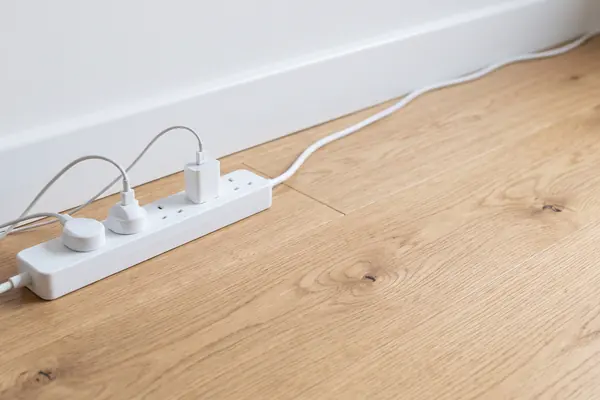
An extension lead shares one wall socket between several plugs.
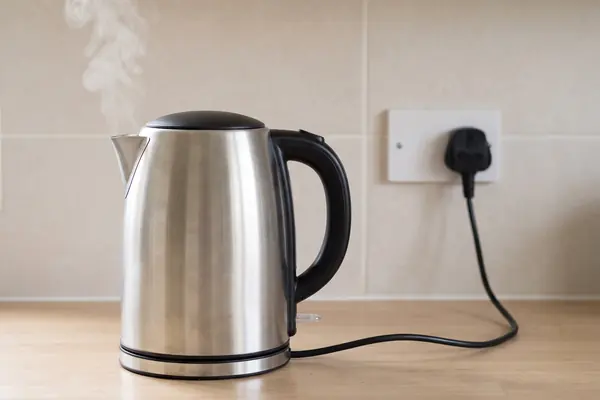
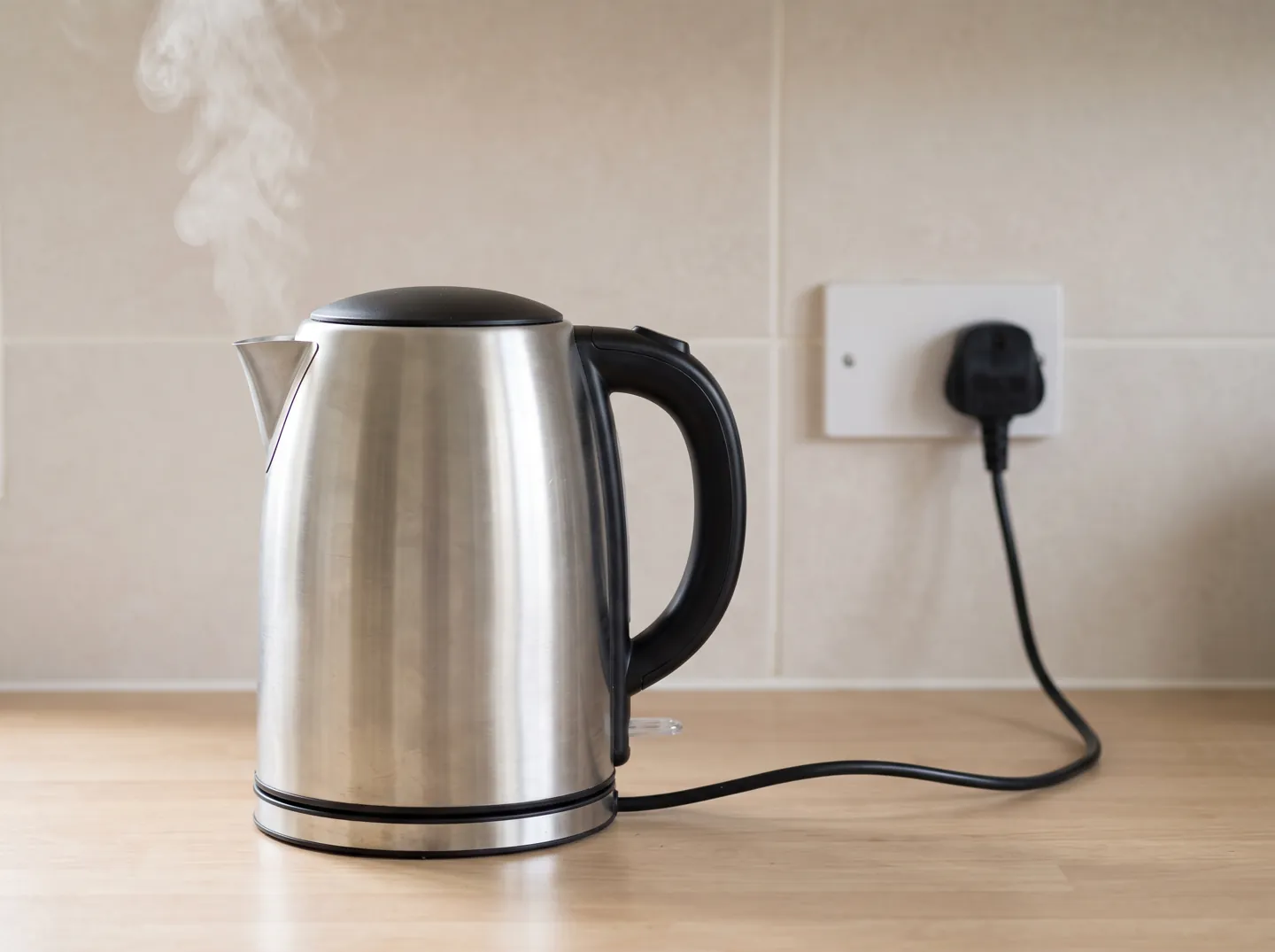
UK fire safety guidance says most leads can safely carry 13 amps, or about 3000 watts, in total. A kettle alone can use all of that. Add up what you plug in, and the lead stays cool.
3000 W for the whole lead
THE SHORT ANSWER
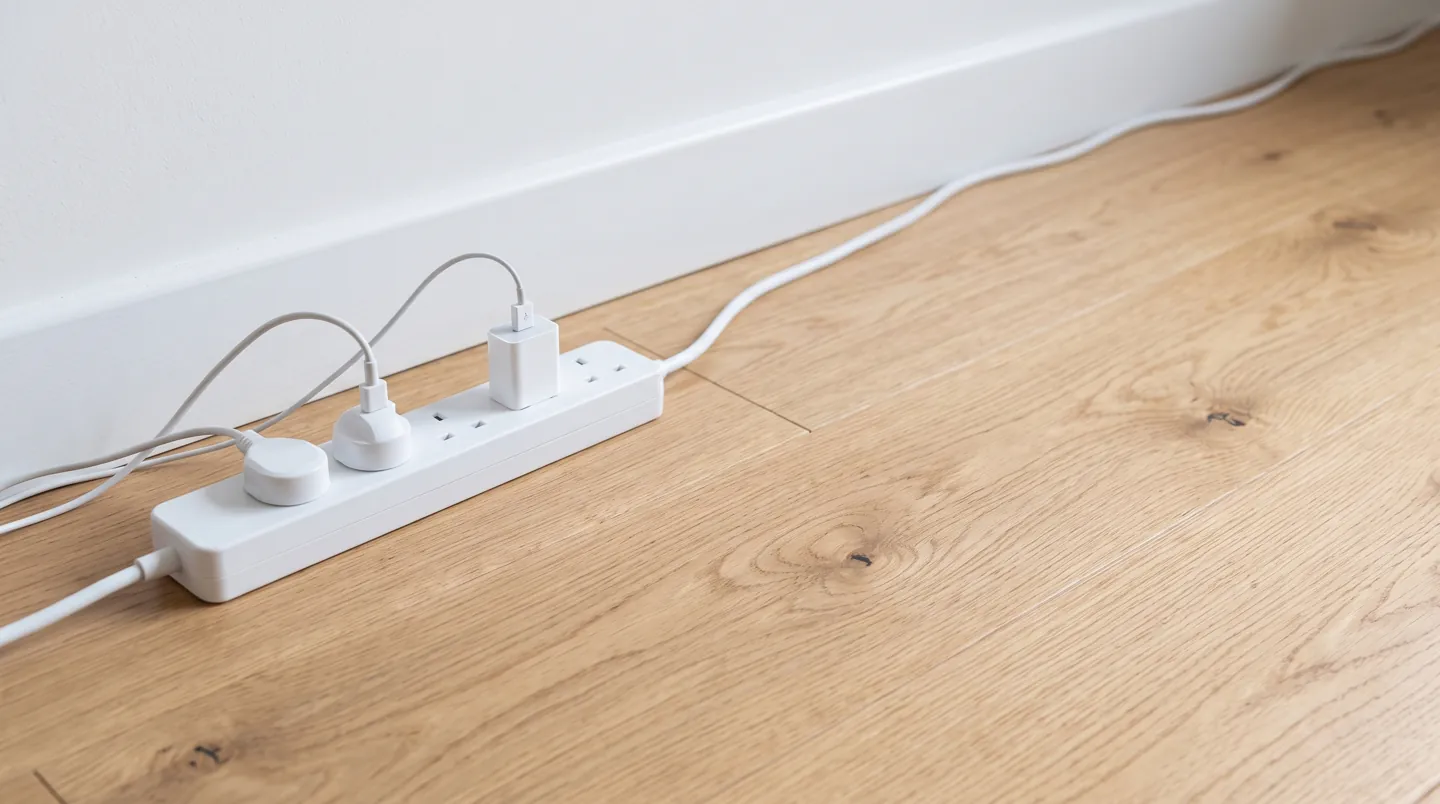
Space for four plugs is not permission for four heaters.
The lead has one rating for everything on it.
ADD IT UP
Most extension leads are rated at 13A, but some older ones are only 10A. Warwickshire Fire and Rescue says never to plug in appliances that together use more than 13 amps or 3000 watts.
Try the lead checkCABLE REELS
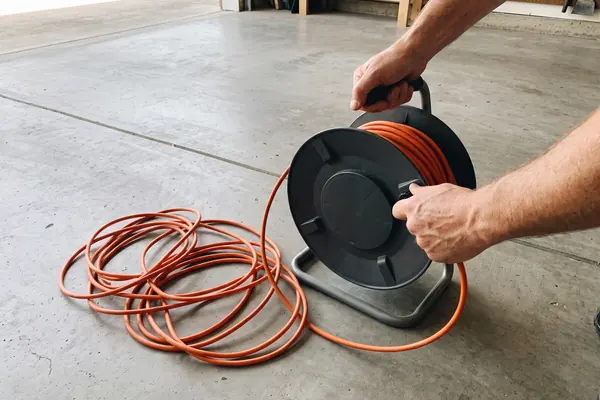
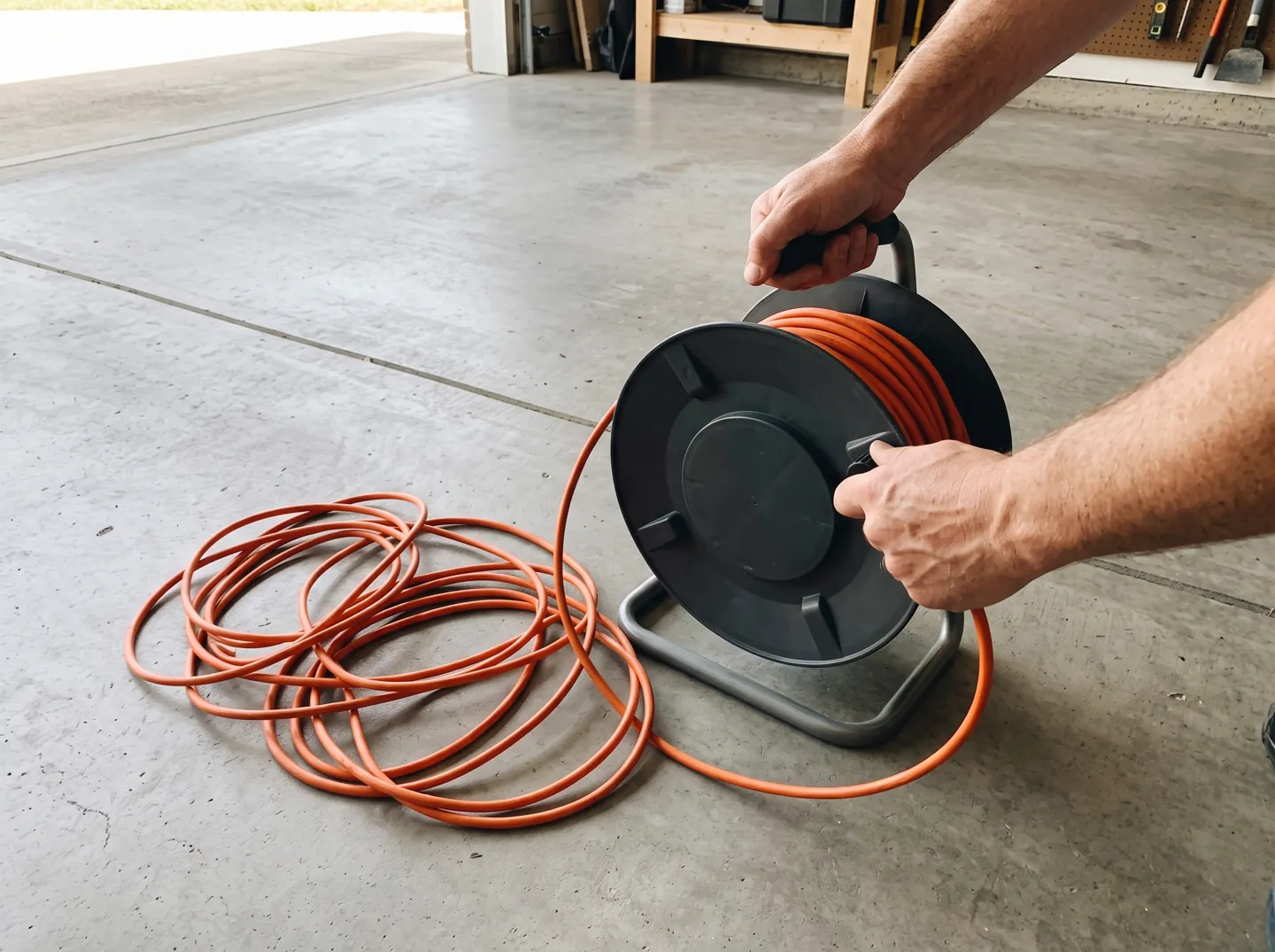
A cable reel must be fully unwound to reach its rating. Electrical Safety First says the rating is typically as low as 3 or 4A when wound, and a wound reel can overheat.
Safe habitsHIGH POWER
London Fire Brigade advises keeping to one plug per socket, especially for high-powered appliances such as washing machines. Kettles and heaters sit near the top of the list.
See the numbersA QUICK LEAD CHECK
Pick a mix of appliances to see how it compares with a 13A lead's limit of about 3000 watts. The bar shows how close the mix comes to that limit.
Typical power ratings from the Centre for Sustainable Energy; your own appliance's label may differ. General information, not professional electrical advice.
TWO NUMBERS WORTH KNOWING
One figure on what a lead can carry,
one on how often electrics start fires in one city.
3000 W
Most a 13A extension lead should carry
Warwickshire Fire and Rescue says never to plug appliances into an extension lead or socket that together use more than 13 amps or 3000 watts.
LEAD LIMIT · FIRE AND RESCUE
26,376
Electrical fires attended since 2017
London Fire Brigade says it has attended 26,376 electrical fires in London since 2017, and on average 24 fires a week started by chargers, batteries and cables.
LONDON · LONDON FIRE BRIGADE
London Fire Brigade lists overloaded extension leads and cheap chargers among the common causes of electrical fires at home.
FOUR HABITS TO TRY
None of these needs new kit. They are about reading the labels you already have and spreading the load across the sockets in the room.
It is on the back or underside of an extension lead and on the front of a cable reel. If it is not marked, check the maker's instructions.
Use one extension device per wall socket. Plugging one lead into another can make the plug in the wall overheat.
Use cable reels fitted with a thermal cut-out, and unwind them completely before running anything powerful.
If extension leads are a permanent fixture, Electrical Safety First suggests having a registered electrician fit more wall sockets.
WARNING SIGNS
Electrical Safety First lists the danger signs: a smell of hot plastic or burning, sparks or smoke from a plug, scorch marks round a socket, frayed cables or coloured wires showing, melted plastic, and fuses or breakers that go for no clear reason.
If you notice any of them, unplug and get the product or socket checked by the retailer, the maker or a qualified electrician. When buying a lead, choose a reputable retailer over a third-party online seller, and register it so you hear about recalls.
Questions
Add up the watts. Most extension leads are rated at 13A, and fire services advise never plugging in appliances that together use more than 13 amps or 3000 watts. Some older leads are only rated at 10A.
Electrical Safety First says it should be marked on the back or underside of an extension lead and on the front of a cable reel. If it is not marked, check the manufacturer's instructions.
No. Electrical Safety First advises one extension device per wall socket. Plugging one lead into another, known as daisy chaining, could make the plug in the wall socket overheat.
A reel only reaches its rating when fully unwound. Wound up, its rating can be as low as 3 or 4A, and running it wound can cause it to overheat and catch fire.
Electrical Safety First gives the formula watts divided by volts equals amps. The appliance label usually shows the watts, which you can add up and compare with the lead's limit.
Sources
ABOUT THIS NAME
doodletronica.com is part of the DoodleSale portfolio. It isn't in an auction right now, but you can ask about leasing it.